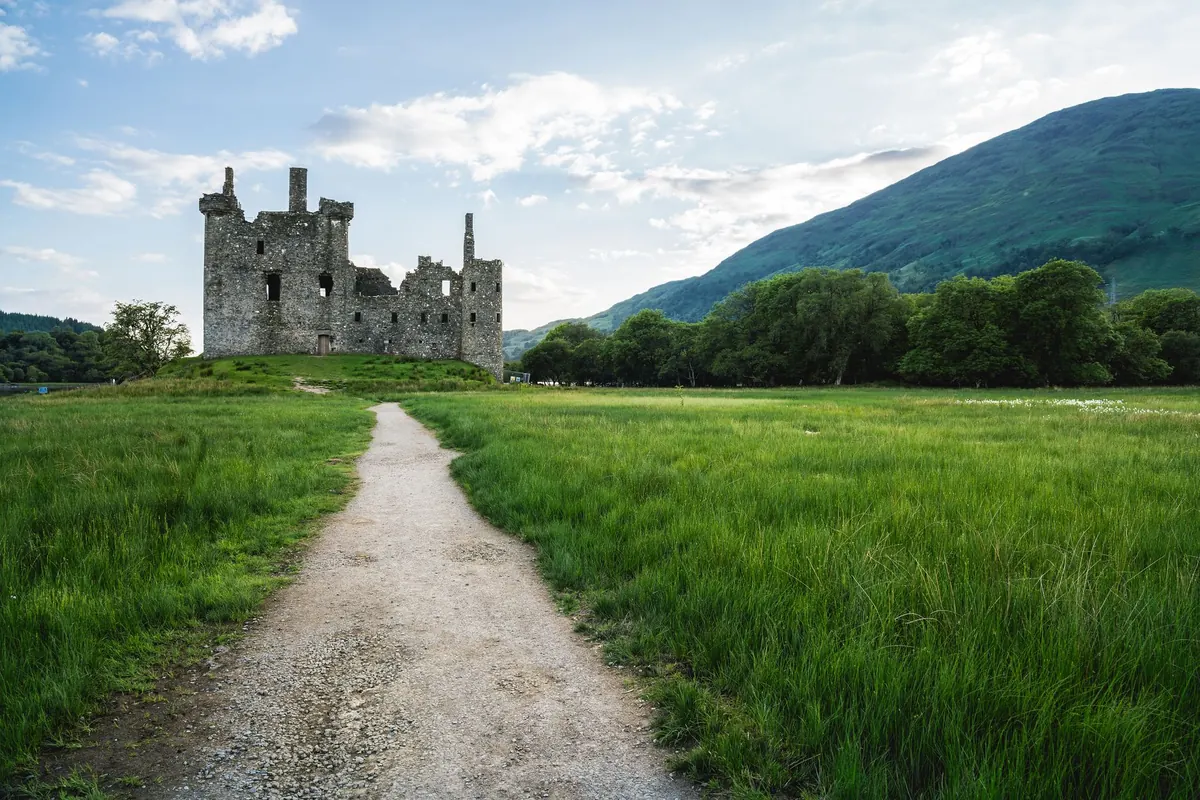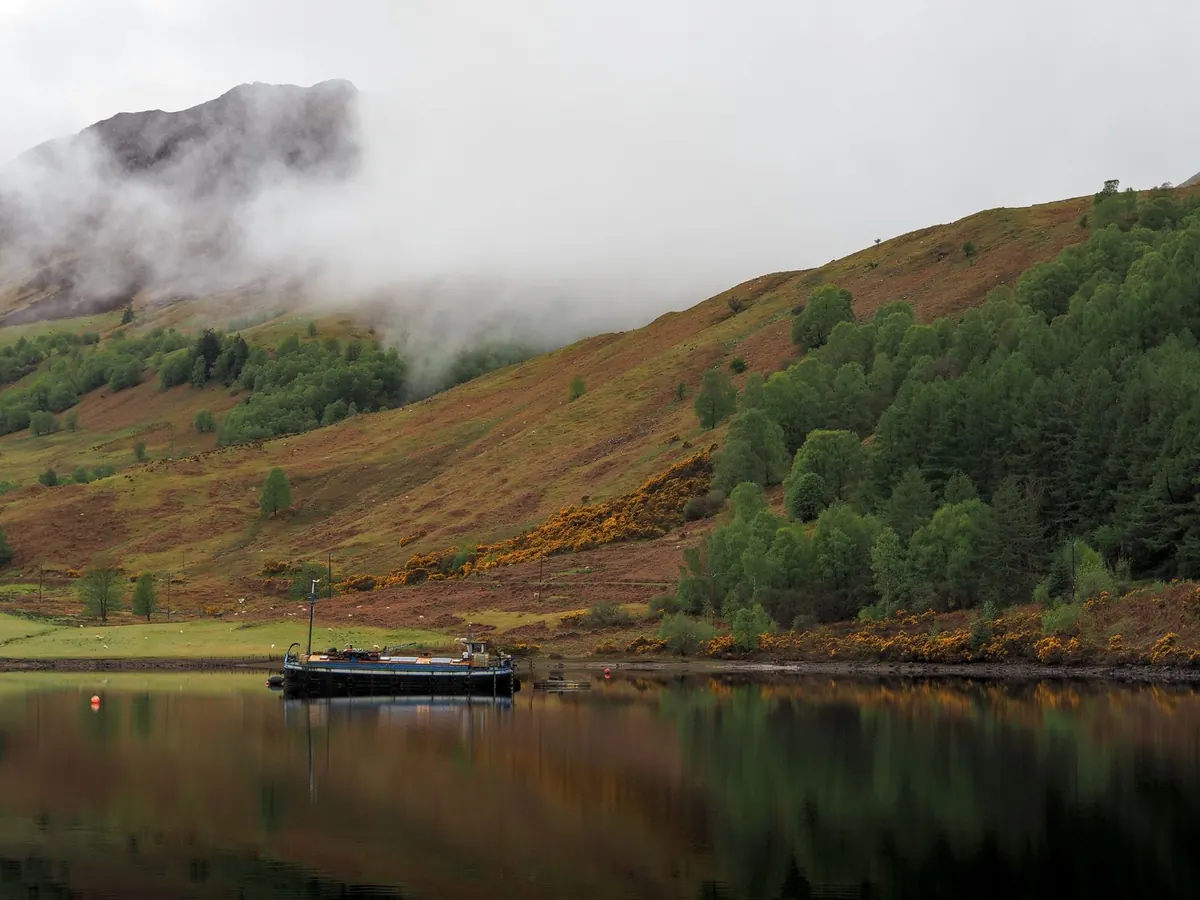
Ask five people when to visit the Scottish Highlands and you will get five answers, all of them right. One will swear by the long light of June, another by the empty glens of February, and whoever went in August will mention midges before mountains. The right time depends on what you want: dry walking, wildlife, quiet roads, or daylight that lasts until bedtime.
The Short Answer, Season by Season
Scottish weather ignores the calendar, but the seasons still behave in broadly predictable ways.
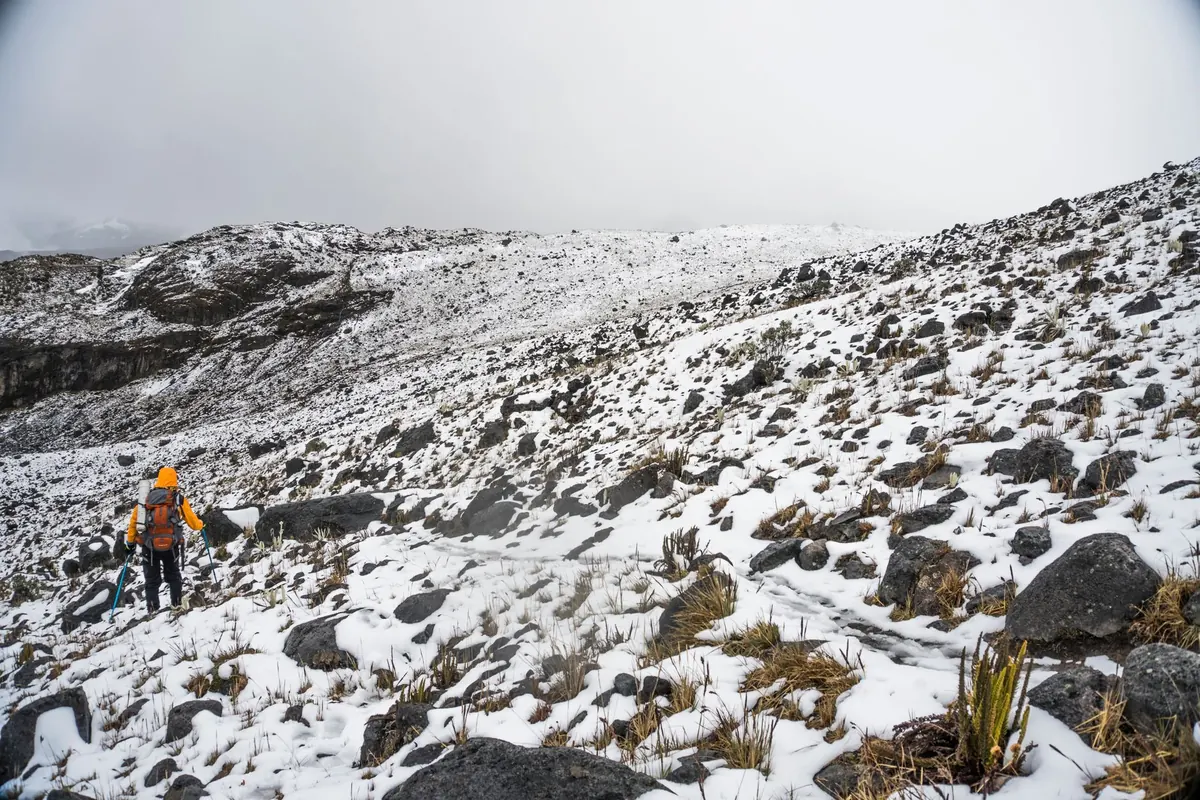
- Spring (March to May): Snow on the high tops, days lengthening fast, low visitor numbers outside Easter. Expect bright, cold mornings and wet, windy afternoons.
- Summer (June to early September): Warmest, longest days, everything open — and the busiest roads, fullest car parks and hungriest midges.
- Autumn (late September to November): Strong colour, roaring stags, fewer people. Daylight drops quickly and the west turns wetter.
- Winter (December to February): Very quiet and often dramatic, with short days and snow on the hills. Some ferries run reduced timetables and many attractions close.
For most trips, the sweet spot is mid-May to late June, or the first half of September: generous daylight, good wildlife, and crowds that have either not arrived yet or have just left.
Weather and Daylight
The wet west, the drier east
The west coast and the mountains — Fort William, Glencoe, Knoydart, Skye — catch far more rain than Inverness, Aviemore or the Moray coast, where you can often find sunshine while the west sits under cloud. If a wet week would spoil your trip, base yourself east and drive west for the good days.
How much daylight you get
Around midsummer, Inverness gets roughly eighteen hours between sunrise and sunset, and twilight never fully leaves the far north; Shetland's "simmer dim" keeps it light for most of the night. That is wonderful for walking, and it also means you can start a hill at 4pm and finish in daylight — a bigger temptation than it sounds.
Midwinter flips it. Expect around six and a half hours of daylight in Inverness, less further north, with sunrise after 8.30am. Not a reason to stay home: low light on snow is beautiful and the glens are empty. Just plan around the short window and be off the hills well before dark.
Midges: The Honest Version
Midges are small biting flies, and the Highlands have plenty of them. They appear from roughly May to September, worst in July and August. They like still, damp, overcast conditions, especially at dawn and dusk, and they gather beside lochs, burns and boggy ground — which is most of the scenery.
The good news is that they are fussy. A breeze keeps them down, strong sun dries them out, and heavy rain grounds them. Coastal spots and high ridges are usually clearer than sheltered glens.
What helps
- Use a repellent made for midges and reapply it, particularly on neck, ears and wrists.
- Wear long sleeves and trousers in the evening rather than shorts.
- A midge head net costs little and saves a lot of swearing.
- Choose a breezy campsite, and keep tent doors closed.
- Walk in the middle of the day when you can.
Avoid the issue altogether by coming in May, June or September, or by heading east to the Cairngorms and Moray coast, where midges are far less of a nuisance.
Crowds, Traffic and Costs
July and August are when the Highlands feel busiest. Skye car parks fill by mid-morning, the North Coast 500 turns into a convoy in places, and single-track roads demand patience and regular use of passing places. Accommodation is dearest then, and popular campsites and ferries book out weeks ahead.
Outside those months the difference is striking. Late April, May, early June and October bring quiet roads, easy parking and cheaper rooms. School holidays still create spikes around Easter, half-term and Christmas, so check the Scottish term dates if you are chasing calm. Whenever you come, book ferries and rooms early and fill the tank when you can.
What to See When, Month by Month
- March and April: Ospreys return to their nests, including the well-known site at Loch Garten. Snow stays on the high tops and woodland flowers appear.
- May: Bluebells and primroses in the woods, puffins back on cliff colonies, sea eagles active on Mull. Midges present but manageable.
- June: The longest days. Minke whales, basking sharks and dolphins along the west coast and in the Moray Firth. Everything open.
- July and August: Warmest weather and peak crowds, with heather turning purple from late July. Puffins leave their colonies by early August.
- September: Quieter roads, good daylight, and the start of the red deer rut, when stags roar across the glens at dawn and dusk.
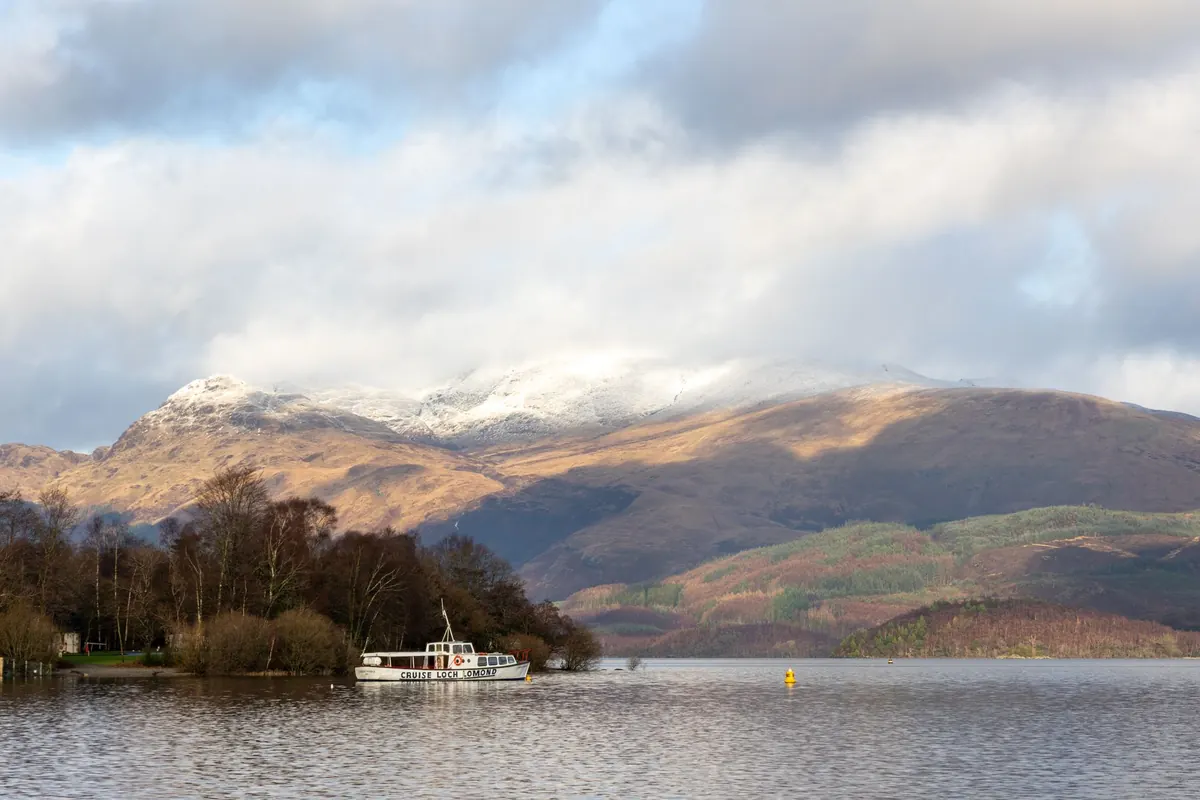
- October: Autumn colour in the birch and rowan woods of Perthshire, Deeside and Loch Lomond, with the rut at its height. Some boat trips wind down.
- November to February: Whooper swans and geese arrive on the lochs, deer gather on lower ground, and snow brightens the hills. Short days, dark starry nights, and occasionally the aurora.
Choosing Your Window
Answer three questions and the decision usually makes itself.
- How much daylight do you need? Long hill days point to May, June or early July. Short, gentle days suit November and February.
- How do you feel about midges? If the answer is "badly", come in May, early June or September, and favour the east.
- Do you want other people around? If not, avoid July, August and public holidays.
Two practical warnings. Ticks are common in long grass and bracken, so check yourself and your clothes after a walk, remove any tick promptly, and see a doctor if you later develop a rash or flu-like symptoms. In winter, Highland hills need proper winter gear and the skills to use it; summer paths can turn into ice routes.
Then plan for a wet day wherever you go, with a distillery, museum, café or low-level forest walk in reserve. The Highlands rarely deliver a whole week of sunshine, but they usually deliver one perfect morning — and that is the one you remember.
Photo: Christopher More / Pexels