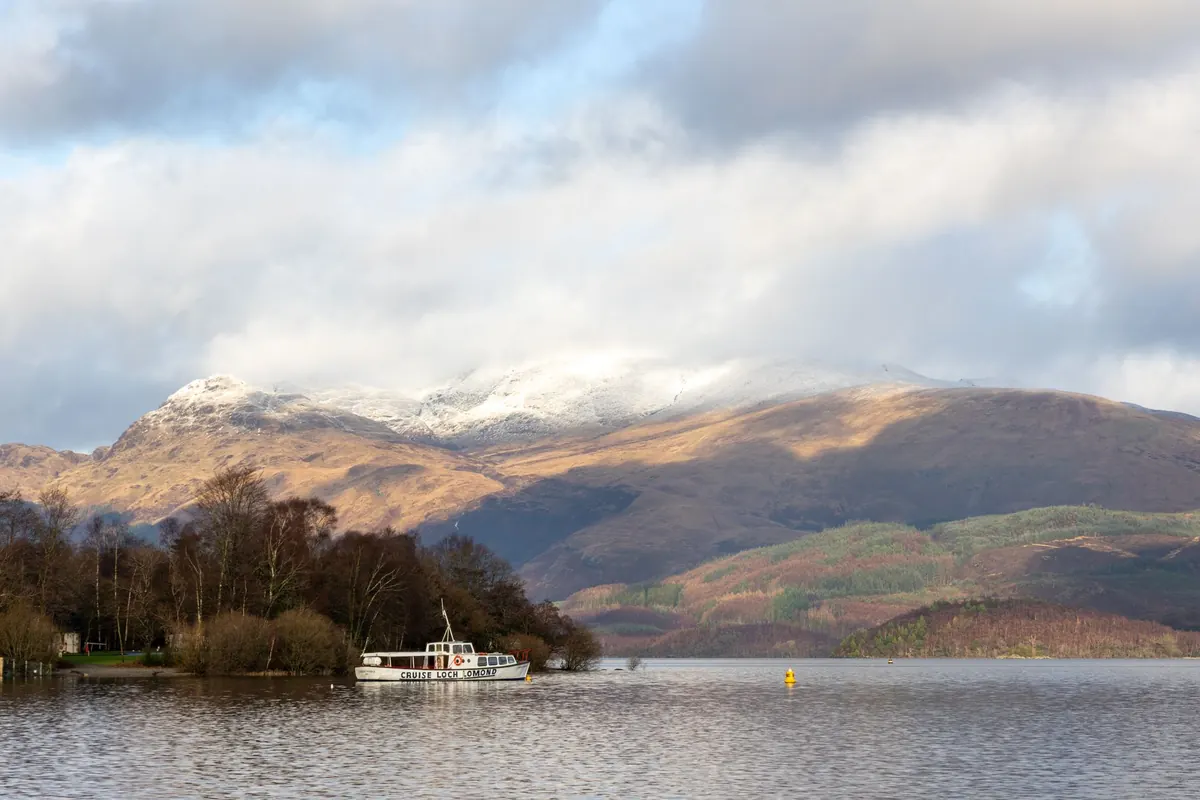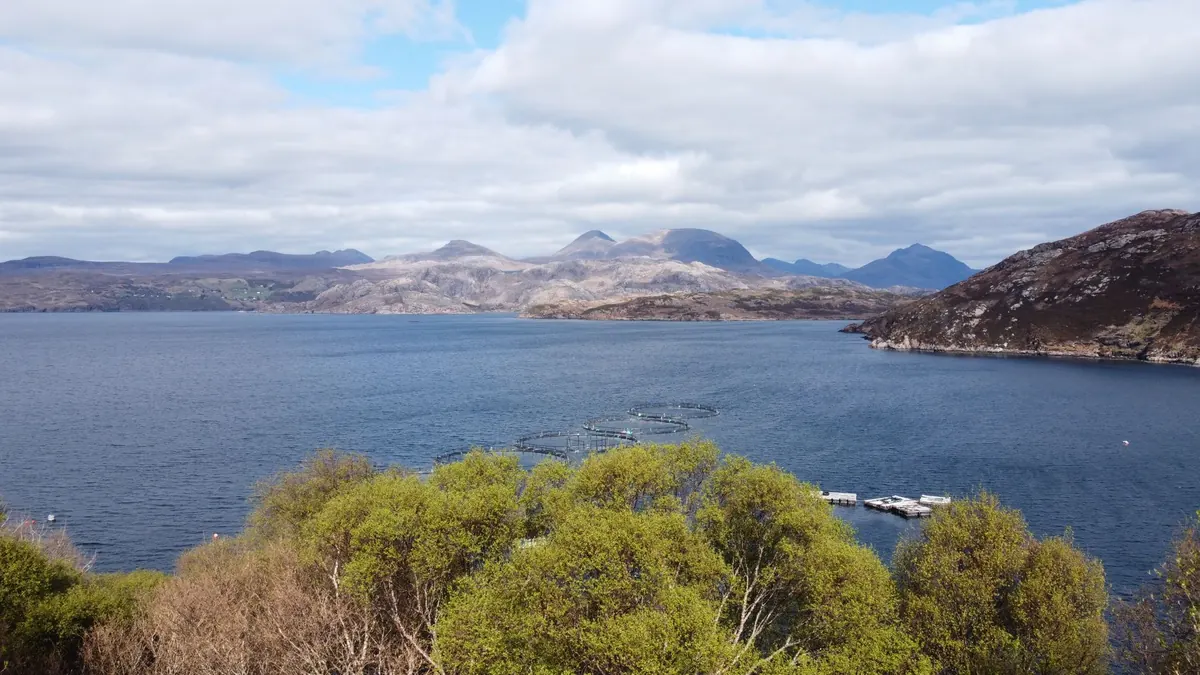
A loch on a still morning looks like an invitation. It usually isn't one, at least not straight away. Under that calm skin the water may be eight degrees in July, the shelf of gravel you're standing on can end in a sudden drop, and a wind that was gentle at the car park can be funnelling down the glen by the time you're waist-deep. None of that is a reason to stay dry. It is a reason to do five minutes of thinking before you do the fun bit.
Acclimatise Before You Commit to a Real Swim
Cold is the thing that catches beginners, not distance. The gasp you take when cold water hits your chest is involuntary, and it is the moment most people get into trouble. So make your first few visits deliberately unambitious.
Start in summer, at a shallow, sheltered beach, and stay in for a minute or two. Wade in slowly, breathe out through your mouth, and let your body work through the first shock rather than ploughing straight into front crawl. When you can stand in chest-deep water and hold a normal conversation, you've done the hard part.
Repeat that two or three times a week and the experience changes. The gasp softens, your hands stay useful for longer, and you stop feeling like you need to prove something. Only then start adding distance, and add it along the shore rather than out into the middle.
A word on safety that matters more than any gear: don't swim alone. A friend on the shore with a phone and a towel is worth more than any piece of kit you can buy. And if you have a heart condition, are pregnant, or take medication that affects your circulation, talk to a doctor before you start cold-water swimming.
Read the Weather and the Water First
Check the forecast the night before and again on the morning. Look at three things: wind speed, wind direction and gusts. An onshore wind on a long loch — think Lomond, Ness, Awe, Moray — builds waves quickly, and a loch that was flat when you parked can be choppy twenty minutes later.
Heavy rain raises levels and pushes cold runoff in at the edges, which is where you'll be swimming. Lochs feeding hydro schemes can change level without much warning, so don't leave bags and shoes below what looks like the high-water line.
Water temperature is the number people underestimate. Even in a good summer, surface temperatures on Scottish lochs often sit in the low-to-mid teens, and a metre down it's colder again. For much of the year you're looking at single figures. Treat every loch as cold until you've felt it on your own skin.
Finally, look at the water itself. Pea-soup green scum around the edges, especially in late summer, may be blue-green algae; keep out and keep dogs out. If you're unsure, ask locally before you get in.
Choose Your Entry and Exit Point on Foot
Walk the shoreline before you swim it. You're looking for a gentle shelf of gravel or small stones, no mud, no steep wall of boulders, no dense reeds hiding a drop. Test the bottom with your feet before you go past your knees.
Pick a landmark on the shore — a distinctive tree, a rock, a fence post — and aim to keep it level with you as you swim. Swim parallel to the shore, in water where you can still stand, and stay well clear of river mouths, outflows, weirs and anywhere boats might pass. Bright hat, tow float, and stay close to the edge on busy lochs.
Ideally your exit is the same as your entry. Wind and tiredness push swimmers along the shore, and climbing out onto an unfamiliar rocky bank with cold hands is where accidents happen.
Kit That Earns Its Place in the Bag
- A bright swim hat and, in summer, goggles for comfort. Not for style points — for being seen.
- A tow float. It makes you visible to boats, and doubles as a dry bag for keys and a phone.
- A swim-specific wetsuit if you feel the cold, plus neoprene socks, gloves and a neoprene hat on colder days. A general surfing wetsuit will do at a push, but swimming ones are cut for arm movement.
- Old trainers or swim shoes for stony shorelines.
- Warm clothes in a dry bag — fleece, hat, gloves, thick socks, and a towel or changing robe.
- A flask of something hot. Leave the whisky for later; alcohol and cold water are a poor combination.
- A whistle and a charged phone, and a head torch if you're swimming late in the day.
Never dive or jump into a loch you don't know. Enter feet first, slowly, and keep your breathing under control. Set yourself a time limit before you start — shorter than you think — and leave the water when you're still enjoying it, not when your hands have gone numb. Shivering means get out now.
Getting Out, Warming Up and Doing It Right
You carry on cooling for a while after you leave the water, so don't linger on the shore. Get dry, dress from the top down — hat first, then base layer, then fleece — and keep moving. Hot drink, a walk back to the car, and you're done.
Stay dizzy or unsteady and sit down rather than standing up quickly. If you feel unwell in the hours afterwards, with flu-like symptoms or a fever, see a doctor and mention that you've been swimming in open water.
Leave the loch as you found it. Take every scrap of litter home, don't build fires on the shore, don't move rocks and stones that are habitat for everything from insect larvae to small fish, and give nesting birds on islands and quiet banks a wide berth. Use a toilet before you go, or follow the access code advice on burying waste well away from water. Keep soap, shampoo and sunscreen out of the loch itself.
If you swim in more than one loch in a trip, rinse and dry your kit in between. It's one of the simplest ways to stop invasive species hitching a lift from one water to the next. Park so that you don't block passing places, gates or croft access.
A Simple Pre-Swim Routine
- Check wind speed, direction and gusts, plus rain and thunderstorm risk.
- Walk the shoreline and pick your entry and exit points.
- Tell someone where you're going and when you'll be back.
- Two minutes in the shallows, breathing steadily, feet first.
- Swim parallel to the shore, within your depth, staying visible.
- Get out while you're still warm, dress fast, drink something hot.
Do that a handful of times and loch swimming stops feeling like a dare and starts feeling like a habit. You'll know which beaches shelve gently, which wind directions to avoid, and how long you can stay in before the cold starts writing cheques your body can't cash. The water will still be breathtaking the tenth time. You'll just be the one in control of it.
Photo: E Stephen / Pexels