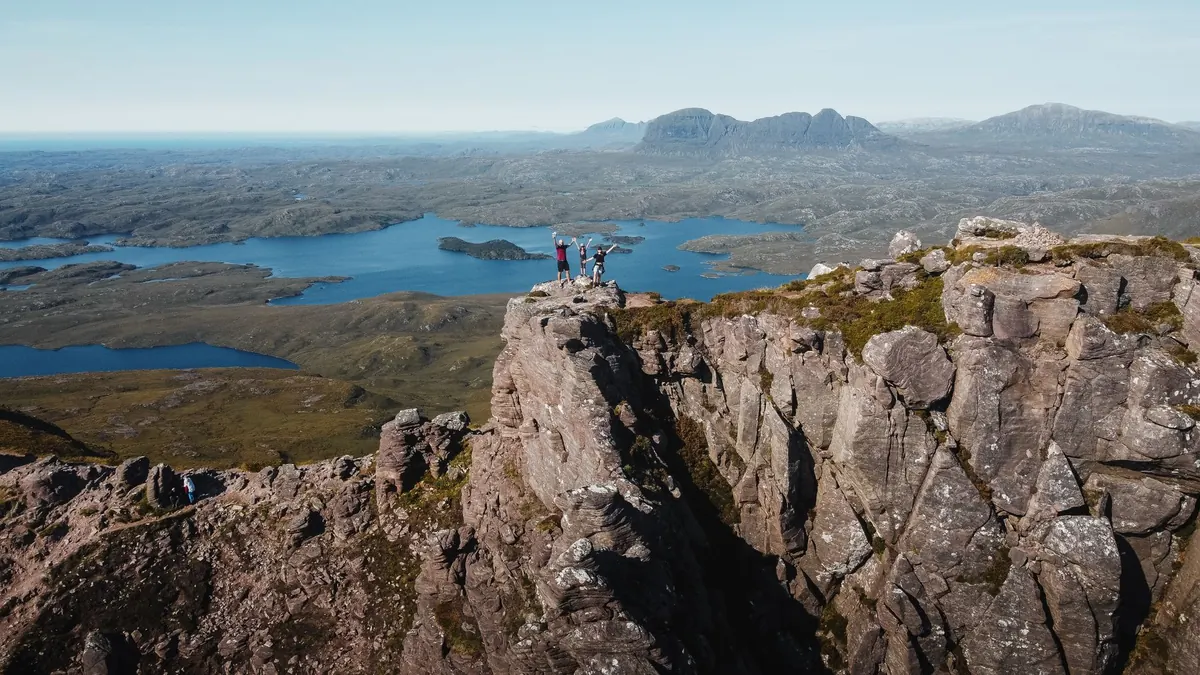
Loch Coruisk has a trick few places on Skye can match: you cannot drive to it. The loch sits in a bowl of dark gabbro at the foot of the Black Cuillin, and everything you see there has been earned by boat or by boot. Choosing between the two shapes the whole day — how long it takes, how hard it feels, and how much you will want to sit down afterwards.
The Boat from Elgol: Short, Scenic, Weather-Dependent
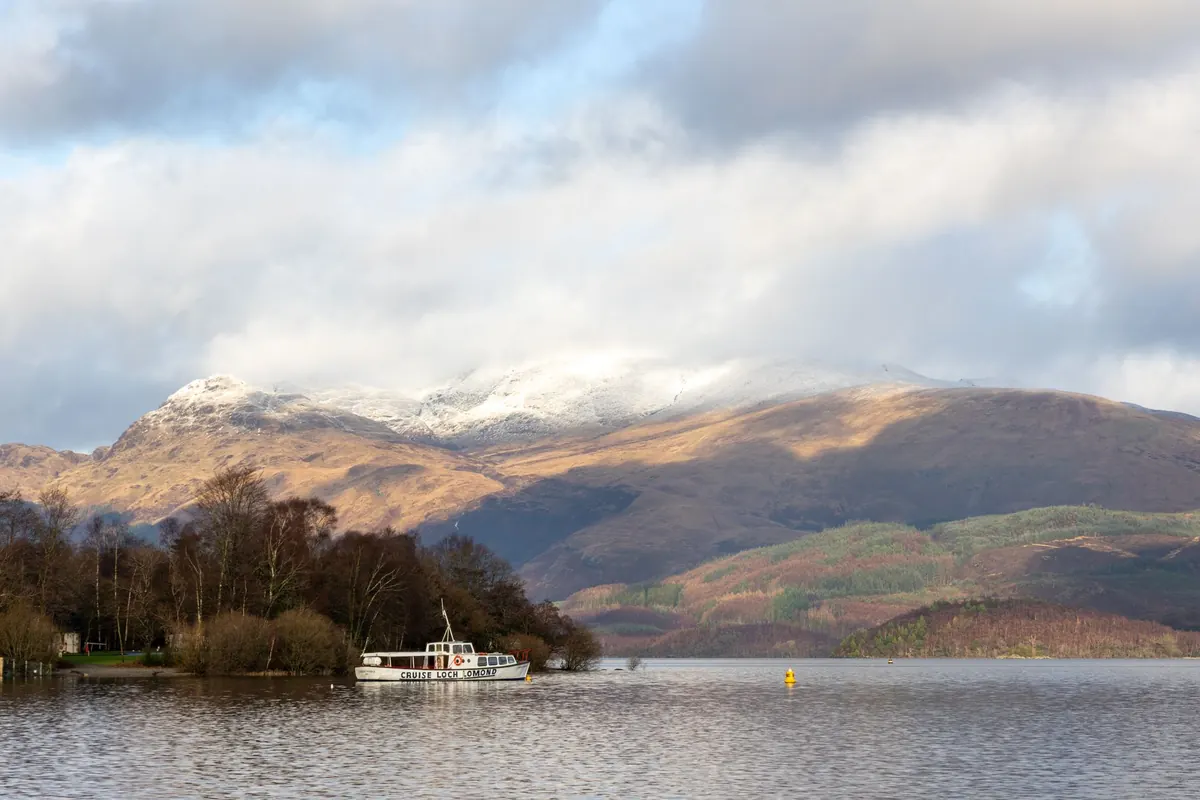
Boats leave from Elgol pier, at the end of the single-track road from Broadford. The crossing takes roughly half an hour, and it is worth staying on deck. The boat slides below the cliffs of the Bad Step, passes skerries where seals haul out, and enters the head of Loch Scavaig with the Cuillin rising dead ahead. Two long-established operators work the route, Bella Jane and Misty Isle, and between them they cover most of what a visitor could want.
Typical options look like this:
- A short landing — around an hour and a half ashore, enough to walk the few minutes to the loch shore and back.
- A longer stay — two to four hours, which allows a proper wander along the lochside.
- One-way drops and pick-ups — the boat takes you in, and you walk out (or the reverse).
Sailings can be cancelled when wind or swell builds, so build a spare day into your plans if Coruisk is the reason you came. Book ahead in July and August, and confirm your return time when you land. There is no pier at the Coruisk end, only a rough shore landing and a short walk across the loch's outflow to the water's edge.
Walking In: Camasunary and the Bad Step
There are two sensible approaches. From Elgol, a coastal path works its way south around the bays towards Camasunary, roughly two to three hours of steady walking. From the Kilmarie car park on the Broadford road, a track climbs over the Am Mam pass and drops down to Camasunary in about an hour, which makes it the shorter option for most people.
The two routes meet at Camasunary bay, where there is a bothy for shelter and a river crossing that can be lively after heavy rain. From there the path continues south below the flanks of Sgurr na Stri: rough, rocky in places, boggy in others, and never quite flat.
The Bad Step
The Bad Step is a slabby ramp of rock that drops towards Loch Scavaig, crossed by a diagonal line that has been worn by generations of boots. It is short — a few metres of hands-on scrambling — but it is exposed, and it is unforgiving when wet, greasy or icy. Rucksacks make it feel longer than it is. Dogs usually need to be lifted or coaxed, and some simply refuse.
Look at it before you commit. If you are uncomfortable, stop and turn around; there is no shame in it, and the ground behind you is no easier going back.
If the Bad Step Isn't for You
A rougher path climbs inland above the slab and bypasses it altogether. It is steeper and looser underfoot but avoids the exposure, and it is the usual choice for anyone carrying a heavy pack or walking with a nervous dog. Ask locally, or check a detailed guidebook before you set out, because the turn-off is easy to miss. The long way round from Sligachan is a genuine mountain day for experienced hillwalkers with solid navigation, not an alternative for a casual afternoon.
Coruisk's reputation for gloom is deserved, and entirely the point. Go anyway.
Which Should You Choose?
- Take the boat if your time is limited, you are travelling with children or less mobile companions, or you want the Cuillin seen from the water rather than from under your boots.
- Take the hike if you want the loch to feel remote rather than delivered, you have a full day and decent weather, and rough ground underfoot is part of the pleasure.
- Do both if you can spare the day. It gives you the coastline and the crossing, and saves retracing your steps.
Doing Both: Boat In, Walk Out
The classic combination is a morning boat from Elgol, a couple of hours at the loch, then the walk out past the Bad Step and Camasunary to Kilmarie or Elgol. It works in either direction, and walking out means you are not watching the clock for a return sailing.
If you take the boat in and walk out, leave a car at both ends or arrange a lift; the Kilmarie car park and Elgol pier are a few miles apart on the same road. If you walk in and take a booked boat out, treat the departure time as fixed. The boat will not wait, there is no road out, and the next sailing may be tomorrow.
Timing, Weather and Midges
Boat trips generally run from around Easter to October, with the busiest stretch in midsummer. Hill days are possible year-round but daylight in winter is short — in December you have perhaps seven hours, which is not enough for a there-and-back walk with time at the loch. June evenings are long, but June to August is also midge season, worst on calm, damp, overcast days. A head net weighs almost nothing and will save your sanity. Smidge or similar repellent helps; wind helps more.
Skye weather changes quickly, and the Cuillin make their own. A forecast of showers can mean a soaking, and a forecast of rain can mean a beautiful afternoon. Carry waterproofs regardless of the morning sky.
Safety and What to Carry
Mobile signal is patchy or absent across much of this ground. Take a paper map and compass, know how to use them, and tell someone your route and expected finish time. In an emergency, dial 999 and ask for the police, then mountain rescue.
Boots with grip, warm layers, food and at least a litre of water per person are the basics. River crossings at Camasunary and at the Coruisk outflow rise fast after rain — if a crossing looks daunting, wait, or turn back. Ticks are present in long grass and bracken; check yourself at the end of the day and remove any attached tick properly. If you are unsure or feel unwell afterwards, speak to a pharmacist or GP.
Dogs are welcome on most boats but should be booked in advance, and the Bad Step needs thought. Leads are wise around sheep and ground-nesting birds.
Practical Notes Before You Go
- Book boats and check sailing times the day before; confirm the weather window.
- Allow four to five hours each way for the walk from Elgol, and less from Kilmarie.
- There are no shops, toilets or bins at Coruisk. Take everything out with you.
- Camping is possible but the ground is rough; know the access rules and leave no trace.
- Start early. Late starts and slow ground are how people end up walking out in the dark.
Photo: Clément Proust / Pexels