The moment it happens is almost always the same. You are a few miles along a single-track road on the west coast, a loch gleaming on one side, and a campervan appears around the bend. There is nowhere obvious to go. Behind you, someone in a hire car is waiting. This is when first-time visitors to the Scottish lochs discover that the driving is not the difficult part of the trip. The planning is.
None of the mistakes below will ruin a holiday on their own. Together, though, they turn a fine day into a tense one. Here is what to sort out before you leave.
Learn the passing place rules before you need them
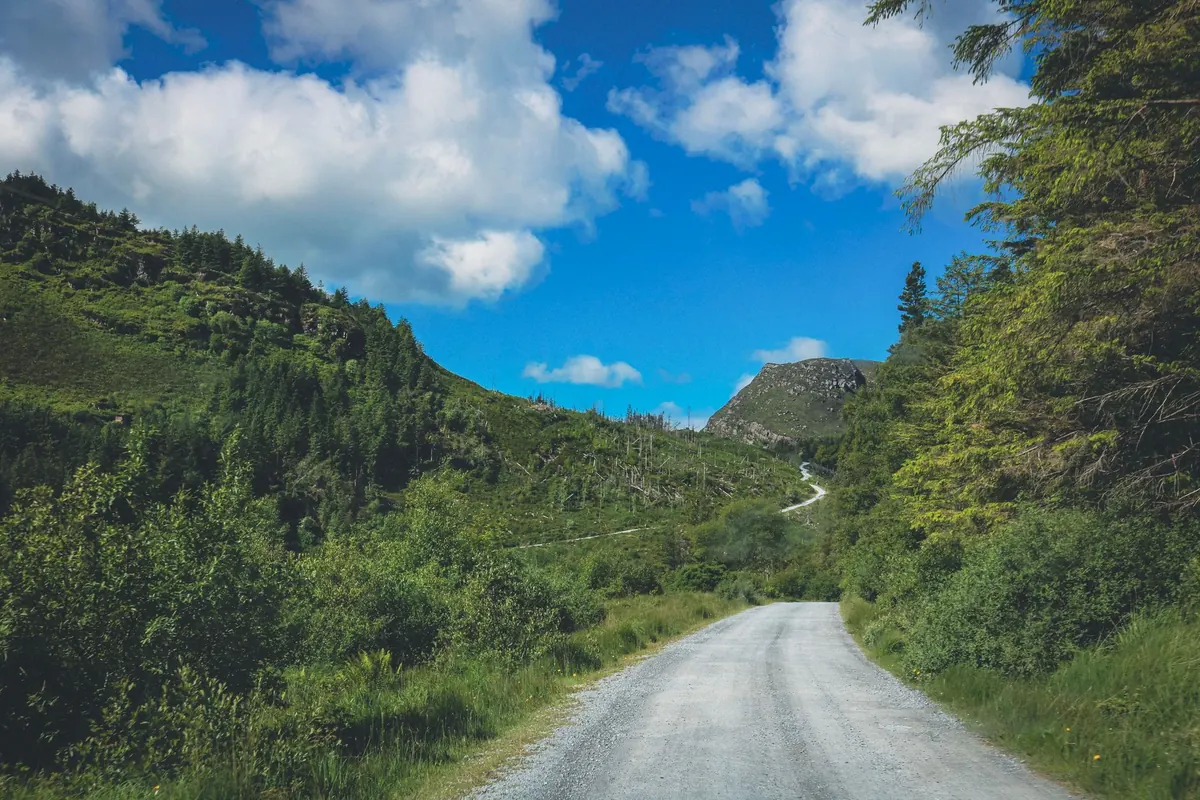
Single-track roads are two-way roads with widening points every few hundred metres, usually marked by a black-and-white post or a diamond sign. Traffic on them works on a simple understanding: everyone cooperates, and nobody is in a hurry.
- Keep left, and drive at a speed that lets you stop within the distance you can see. You will meet someone on a blind bend.
- Pull into a passing place on your left and let the oncoming vehicle come past.
- If the passing place is on your right, slow down, stop opposite it and let the other driver use it. Do not swing across the road.
- Never park in a passing place. They are the road's only breathing space.
- On steep hills, give way to traffic coming uphill. It is harder for them to restart than for you.
- Wave thanks. Everyone does, and it keeps the whole system pleasant.
Reversing is normal and expected, so do not panic when it is your turn. If a bus, timber lorry or tractor is coming, they will often wait for you rather than reverse, because they can see more and you have more options. Take your time, use your mirrors and go back to the last passing place rather than trying to squeeze past on the verge.
Passing places are for passing. They are not laybys, picnic spots or overflow parking.
Work out your fuel stops in advance
On the map, the west Highlands and the far north look modest. On the road, they are not. Long stretches of coast road have no filling station at all, and some rural pumps are unattended, card-only, or shut early on Sundays. A few run dry in busy periods.
The habit that saves people is simple: once you are below half a tank, start looking rather than assuming the next village will sort you out. Fill up when you get the chance, even if it feels early. It costs you ten minutes and removes an entire category of worry.
Apply the same logic to time. Forty miles of single-track road with sheep, photo stops and a few passing manoeuvres can easily take an hour and a half. Plan fewer miles per day than you would at home, and treat every ferry as something to check rather than something to turn up for.
Take midges seriously, but not personally
Midges are a fact of the west coast from late spring through early autumn, and they are at their worst on still, damp, overcast evenings. They dislike wind, bright sun and open water, which is why a breezy headland at midday can be perfectly comfortable while the sheltered car park behind the trees is unbearable.
Practical defences, in rough order of usefulness:
- A midge head net. Unglamorous, cheap, and the single best purchase you can make.
- Long sleeves and trousers for dusk, especially loose-fitting ones.
- Repellent on exposed skin, applied according to the label. Products containing DEET or picaridin are the usual choices; if you have sensitive skin, are pregnant or are buying for a child, ask a pharmacist before choosing.
- Keep tent doors zipped and do not leave damp clothing hanging outside overnight.
- Choose your evening spot with the wind in mind. A few hundred metres of exposure makes all the difference.
Plan for weather, not for a forecast
West coast weather is genuinely hard to predict, and a forecast for "rain" often means a wet hour followed by a bright afternoon. Build your days so that rain changes the view rather than cancels the plan. Pack a proper waterproof jacket and trousers, spare footwear and a dry bag for cameras and phones, and expect to add and remove layers several times a day.
If you are heading onto hills, check a dedicated mountain forecast as well as a general one, and be willing to turn back. Daylight matters too. June evenings in the north stay light until very late, while by November it is dark before dinner, which changes how much driving you can reasonably fit in.
Assume phone signal will vanish for long stretches. Download offline maps before you set off, and keep a paper map in the car. It weighs nothing and works everywhere.
Parking: the quiet cause of most arguments
Verges that look solid are often soft, and a car sunk to the axle in peaty ground is a bad way to spend an afternoon. Gateways, croft access tracks and field entrances are working routes for someone, even if nothing has passed for an hour. Turning circles near ferry slips need to stay clear.
Popular loch viewpoints fill up by mid-morning in summer, and when a car park is full, do not create a second one beside it. Park where a fire engine could still get through, walk an extra ten minutes if that is what it takes, and remember that in busy areas parking is enforced and inconsiderate parking damages access for everyone who comes after you.
A short checklist before you set off
- Fuel tank full, and a mental note of the next two stations on your route.
- Offline maps downloaded, paper map in the door pocket.
- Waterproofs, spare shoes, midge nets and repellent in the boot, not the suitcase.
- Accommodation booked ahead in summer, especially on the islands and the north coast.
- A realistic daily distance, with room for stops you have not planned.
- Water and snacks, because the cafe you were counting on may be shut.
- Someone at home who knows roughly where you are going.
Do these things and the roads become the best part of the trip rather than a test of nerve. The single-track sections in particular reward patience: pull in, let the other car past, take the wave, and carry on towards the next loch with the day still ahead of you.
Photo: Dahlia E. Akhaine / Pexels